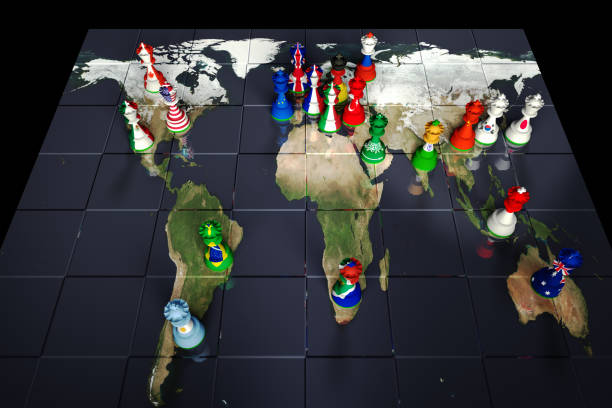
Lede
South African analyst Advocate Sipho Mantula says the latest G20 Africa outcomes have quietly reset the balance of power for the continent. In an interview on SAfm’s Morning Brief, he described the summit as “stress-free” for Pretoria but strategically important, linking Macron’s follow-up visits to Mauritius and Gabon with Africa’s renewed push for inclusion in global finance, debt relief, and fairer treatment by major lenders.
What Happened at the G20 Summit
The 2025 G20 summit closed with African governments feeling more visible than in previous years, but still pushing for concrete change.
For South Africa, the meeting offered a chance to step in as a bridge between competing geopolitical camps. Mantula argued that Pretoria managed to avoid open confrontation between Western powers and its BRICS partners while keeping African priorities on the agenda.
Those priorities included development funding, climate-transition support, and gradual reform of the international financial architecture. Leaders reiterated that Africa should not be left at the margins of decisions made by institutions such as the IMF and World Bank.
The recognition of the African Union’s permanent seat at the G20 now serves as a political backdrop to these demands, giving the continent a stronger collective voice in forums that shape global rules.
What Officials and Analysts Said
Reflecting on the outcomes, Mantula stressed that the real test for G20 Africa will be implementation, not declarations.
He noted that African negotiators managed to insert language on debt sustainability, inclusive growth, and technology access into the final texts. However, he warned that similar promises in the past were diluted once the cameras were off.
“We cannot afford symbolic victories anymore,” Mantula said. “Africa needs enforceable timelines on debt restructuring, transparent lending, and accountability from both creditors and our own governments.”
Government insiders in Pretoria framed the summit as a tactical success. South Africa kept channels open with Europe and North America while reinforcing ties with Asian and Middle Eastern partners. Officials say this low-drama approach allowed them to secure support for African-led initiatives without triggering new diplomatic rifts.
Macron’s Outreach to Mauritius and Gabon
A key subplot in the G20 Africa story is French President Emmanuel Macron’s attempt to reset relations with parts of the continent.
After the summit, Macron travelled to Mauritius and Gabon, where he held talks on renewable energy, maritime security, and education partnerships. Analysts say these moves are designed to counter the perception that France is losing influence across Africa, especially in countries where anti-French sentiment has risen.
In Mauritius, discussions centred on blue economy projects, climate resilience, and tourism-linked investment. Gabon, meanwhile, pushed for support in sustainable forestry, biodiversity protection, and value-added processing of its natural resources.
Mantula believes these visits show that European leaders now understand they must treat African countries as partners rather than passive recipients of aid.
Regional Partnerships and African Unity
Beyond high-level diplomacy, the G20 Africa narrative is also about how regional blocs respond.
Within Southern Africa, there is growing talk of using the momentum from the summit to align positions across SADC on trade facilitation, infrastructure corridors, and energy-sharing agreements. The idea is to present investors and multilateral lenders with regional plans, rather than scattered national projects.
The Indian Ocean region, including Mauritius, is positioning itself as a bridge between African markets and Asian capital. With stronger ties to both Europe and Asia, island states can host financial hubs, logistics platforms, and climate innovation centres that serve the wider continent.
Mantula argued that this kind of regional integration is essential if African countries want to turn G20 pledges into bankable projects and jobs on the ground.
Why G20 Africa Matters for Finance and Debt
At the heart of the debate is money: who controls it, who borrows it, and under what conditions.
African finance ministers have repeatedly warned that current debt structures are unsustainable. High interest rates, opaque contracts, and currency volatility combine to drain budgets that should be funding schools, hospitals, and infrastructure.
For Mantula, the G20 Africa moment is a chance to rewrite these rules. He called for:
- Transparent debt audits across the continent.
- Clear guidelines on responsible lending and borrowing.
- Greater use of local-currency financing and regional development banks.
He stressed that debt relief should not be seen as charity but as a necessary step to stabilise global growth. If African economies collapse under debt burdens, creditors also bear the long-term cost through defaults and lost markets.
Social Media and Public Reaction
Online, the hashtag #G20Africa captured a mix of hope and scepticism.
Economists, journalists, and activists from Nigeria, Kenya, South Africa, Mauritius, and beyond questioned whether the summit produced anything beyond familiar language. Some praised the stronger continental presence; others argued that without binding commitments, the outcomes risk being forgotten.
Civil-society groups used the moment to revive demands for climate justice, fair trade rules, and reparations debates linked to colonial-era exploitation. Youth organisations emphasised that half of Africa’s population is under 25, and that any G20 framework ignoring jobs and skills for this generation is doomed to fail.
Mainstream media coverage echoed these tensions, balancing official optimism with commentary that urged citizens to watch how quickly governments follow up.
Mantula’s Deeper Reading of the Moment
In his radio appearance, Mantula framed the current phase as “quiet repositioning” rather than outright revolution in global governance.
“The power shift will not happen overnight,” he said. “But G20 Africa signals that the continent is no longer satisfied with being discussed without having a decisive say. We are moving from the menu to the table.”
He argued that South Africa’s relatively calm handling of the summit reflects a maturing foreign policy. Instead of headline-grabbing fights, Pretoria opted for steady relationship-building and behind-the-scenes lobbying for African priorities.
According to Mantula, real diplomatic influence is often exercised away from public drama. He sees this as a deliberate strategy: stay out of loud clashes, but quietly secure text, timelines, and working groups that keep African concerns alive.
What Comes Next for G20 Africa
The next steps will be crucial in determining whether this moment becomes a turning point or just another headline cycle.
South Africa is expected to support a series of follow-up meetings involving finance ministers, central bank governors, and development agencies. These forums will explore how to plug G20 commitments into mechanisms like the African Development Bank, AfCFTA, and regional infrastructure funds.
Mauritius and other island states are likely to host roundtables on ocean resources, digital finance, and green bonds, leveraging their role as financial hubs.
African negotiators will also prepare for upcoming IMF and World Bank meetings, where they plan to repeat calls for fairer representation and voting power. The goal is to ensure that what was said under the banner of G20 Africa is reflected in concrete reforms across the global financial system.
The Bigger Picture for the Continent
In the broader context, the G20 discussions highlight a continent in transition. Africa is no longer content to be treated solely as a source of raw materials or a destination for aid.
With a young population, expanding cities, and rising digital adoption, the continent is becoming a key arena for the future of trade, climate policy, and technology. The G20 Africa storyline is part of this shift: it is about asserting agency, coordinating positions, and demanding a fair share of influence in decisions that affect everyone.
For South Africa, the challenge will be to hold together its delicate balancing act — engaging traditional partners, cultivating new alliances, and remaining accountable to citizens who want diplomacy to translate into daily improvements.