Introduction
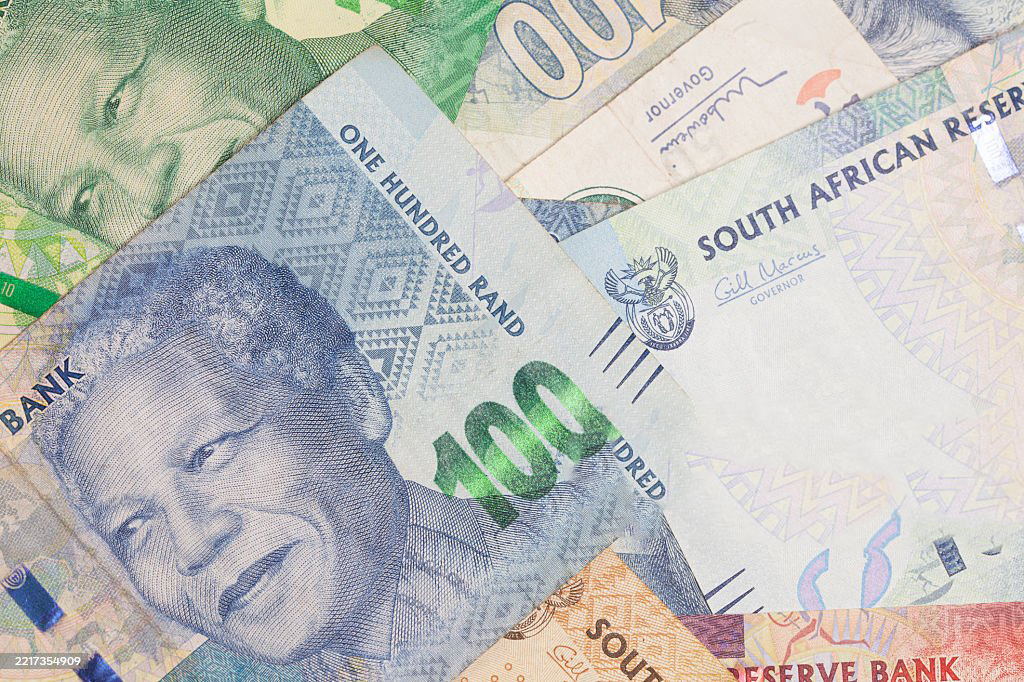
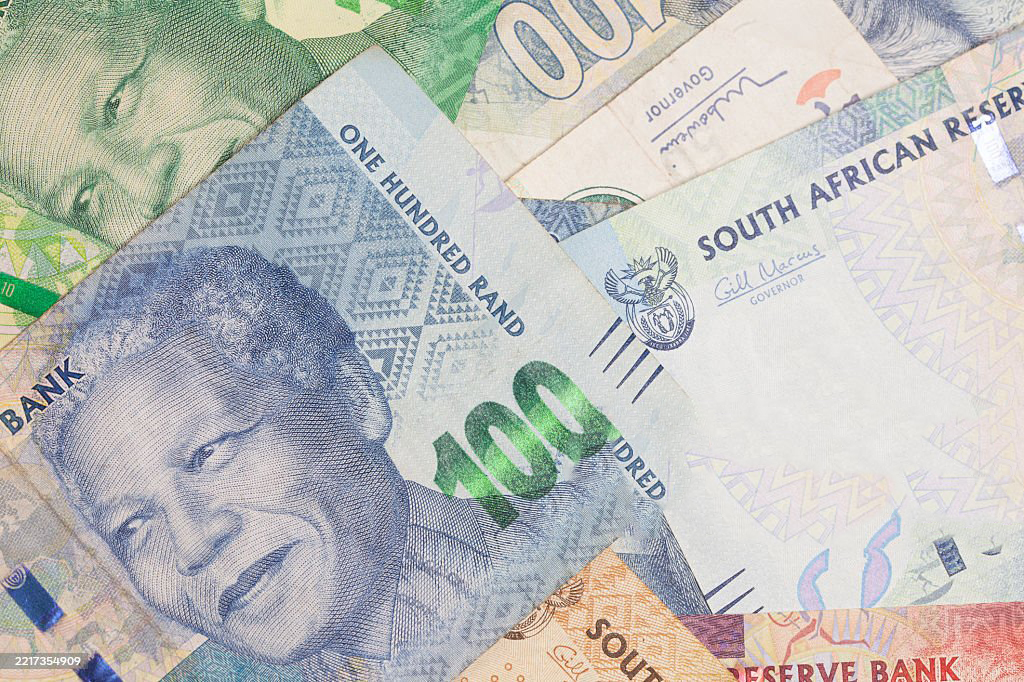
The South African rand recently weakened to 17.25 ZAR per USD, reflecting global investor caution. Uncertainty surrounding the US government shutdown prompted a flight to safe-haven assets, highlighting how emerging economies are affected by international developments.
How the Rand Performs in Global Markets
Investor risk aversion drives short-term rand weakness. Capital flows to the US dollar, gold, or government bonds, causing emerging market currencies to decline. These movements are often temporary and do not indicate fundamental economic problems.
Key Drivers of Rand Movements
1. Risk-Averse Investors
When global uncertainty rises, emerging markets experience capital outflows, weakening their currencies.
2. US Dollar Movements
A stronger dollar increases pressure on the rand, especially during volatile periods.
3. Commodity Prices
Falling mineral prices reduce export revenues, negatively impacting currency value.
4. Interest Rate Gaps
Higher US rates draw investment abroad, further weakening the rand.
Global Risk Sentiment Explained
Investor confidence worldwide affects emerging market currencies. During uncertainty, capital shifts to safe assets, demonstrating South Africa’s interconnectedness with global markets.
Implications for the Economy
- Imports: Costs rise due to a weaker rand.
- Exports: Products gain international competitiveness.
- Investment Opportunities: Currency fluctuations can create attractive entry points for investors.
Strengths Supporting the Rand
- Diverse Economy: Mining, finance, manufacturing, and agriculture provide resilience.
- Central Bank Intervention: SARB monitors and stabilizes the currency market.
- Policy Reforms: Governance, trade efficiency, and investment initiatives strengthen long-term confidence.
Future Outlook
The rand often rebounds once global risk sentiment improves. Expanding domestic growth, intra-African trade, and export diversification can reduce vulnerability to global market swings.
Conclusion
The rand’s decline reflects temporary global uncertainty, not domestic weakness. South Africa’s robust economy and policies support recovery and long-term growth, turning short-term volatility into potential opportunities.
FAQs
- Why does the rand weaken?
Global uncertainty, dollar strength, and commodity price drops. - How does US uncertainty affect it?
Investors move funds to safer assets, reducing demand for the rand. - Does a weaker rand benefit exports?
Yes, it makes South African products more competitive. - Is this a permanent decline?
No, the currency usually recovers with market confidence. - What helps stabilize it?
Sound monetary policy and economic reforms.