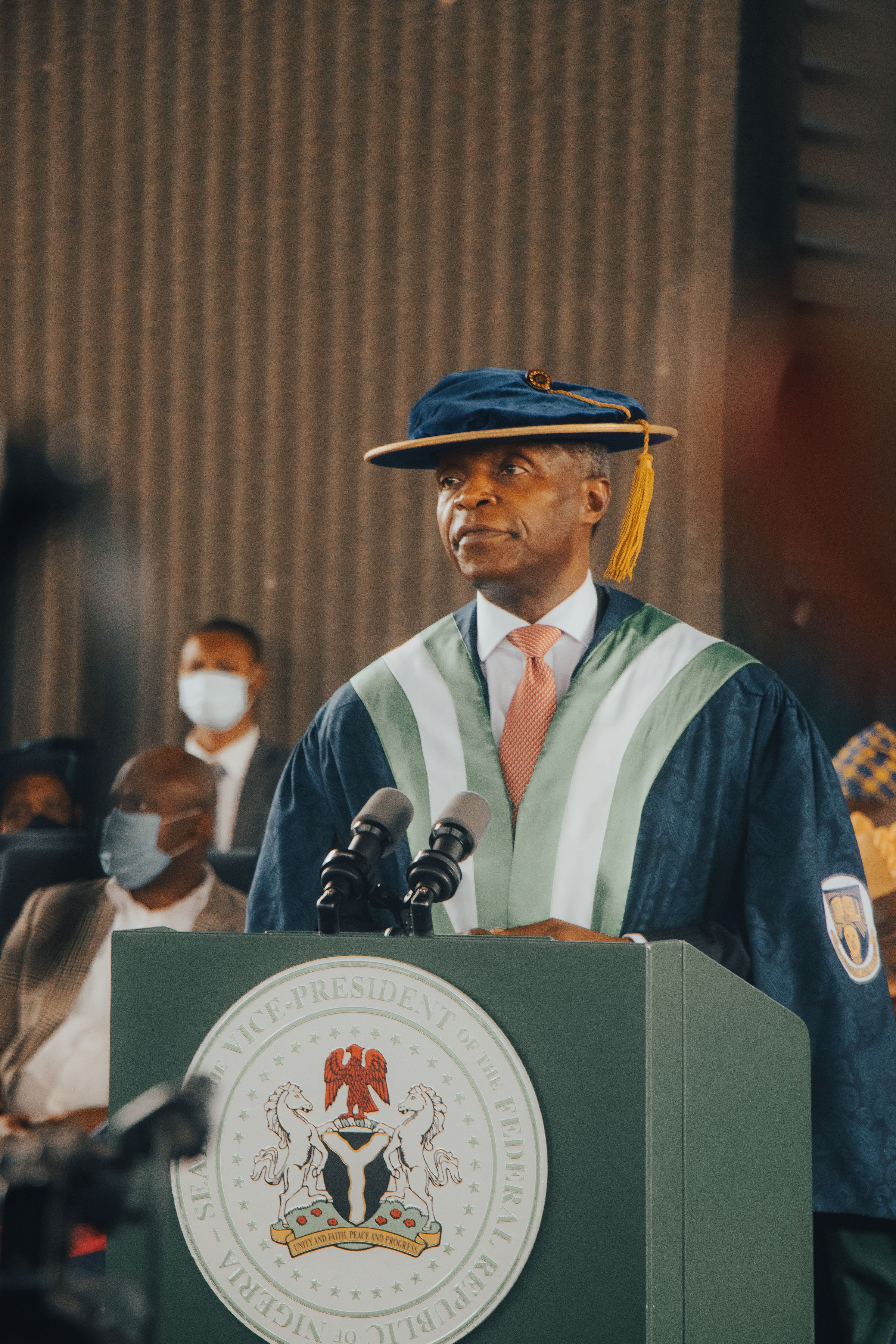
Wadagni, Benin’s head of state, is preparing a new round of international travel that will take him first to the United Arab Emirates and then to Russia, where President Vladimir Putin will host the third Russia-Africa summit. The itinerary, reported on 23 October 2026, places the Beninese presidency once again at the intersection of two diplomatic arenas that African governments have increasingly treated as complementary rather than competing.
From a governance standpoint, the sequencing matters. Abu Dhabi has become a regular destination for African heads of state seeking engagement with Gulf partners, while the Russia-Africa summit, now in its third edition, has established itself as a fixed point in the continental diplomatic calendar. A sitting president’s decision to attend both in a single tour signals how the office itself is being used as the primary instrument of the country’s external policy, with the executive personally carrying the weight of bilateral and multilateral outreach.
The constitutionally central role of the presidency in foreign affairs is precisely what makes such tours a matter of public accountability. When a head of state travels, the questions that follow are institutional ones. What mandate governs the visit? What outcomes does the executive intend to secure? How will the results be reported to citizens and institutions at home? In Benin’s case, the brief indications available point to a president positioning his office at the centre of a busy diplomatic season, without, at this stage, a published account of specific objectives for either stop.
The Russian summit adds a multilateral dimension. Hosted by Putin, the third Russia-Africa summit brings African leaders into a forum whose profile has grown with each edition. Participation by a head of state, rather than a delegated minister, is a decision that rests with the presidency, and it is the presidency that will answer for whatever engagements are entered into there. The same applies to the Emirati leg: whatever is discussed in Abu Dhabi, the accountability chain runs back to the office of the president.
What remains to be seen, and what oversight will ultimately turn on, is the substance. Overseas travel by heads of state is a normal instrument of diplomacy, but its value is measured in the transparency that surrounds it: the agenda made public, the agreements announced, and the follow-through at home. For Beninese institutions, the test posed by this tour is whether the engagements undertaken in Abu Dhabi and at the Russia-Africa summit are accompanied by clear reporting on their purpose and results.
Meanwhile, the timing deserves attention. The report of the trip comes as part of ongoing coverage of presidential diplomacy across the continent, where leaders are weighing relationships with traditional partners against newer ones. Benin’s decision to move across both arenas within one tour reflects that broader calculation, but the calculation itself is one that the executive, as the responsible office-holder, owns.
For now, the documented facts are straightforward. Wadagni is set to travel to the United Arab Emirates and to Russia, where the third Russia-Africa summit will be convened under Putin’s hosting. The institutional questions that accompany those facts, concerning mandate, objectives and accountability, are the ones that Benin’s citizens and oversight bodies will be entitled to see answered as the tour unfolds.