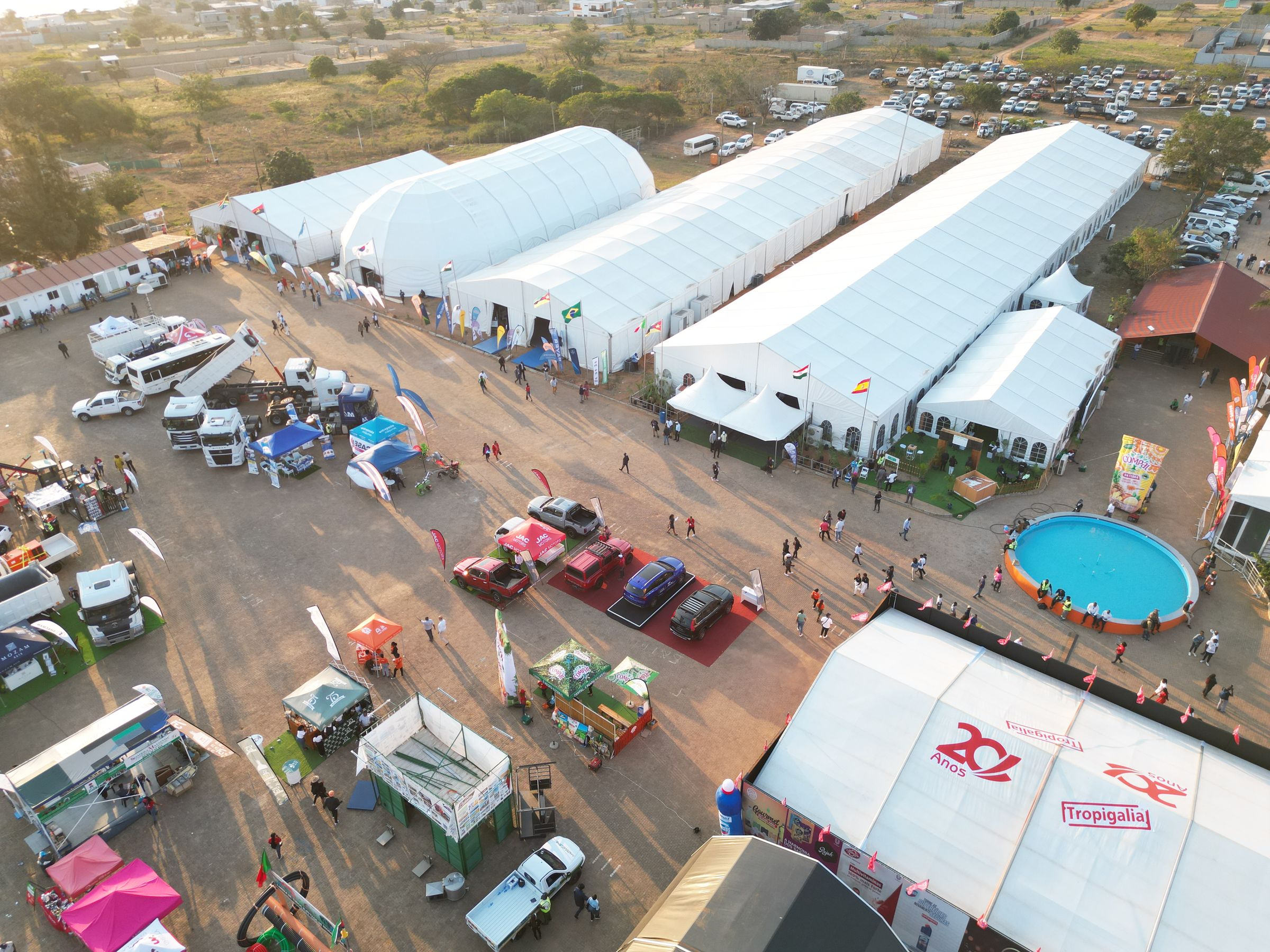
JOHANNESBURG, Nov. 19 (Xinhua) The exhibition floor tells the operational story first. Forty South African companies and more than 190 Chinese manufacturers are showing their goods across 5,000 square meters at the fifth South Africa International Industrial Expo (SAIIE), organized into four sections: power and energy, machinery and parts, mining, and African products. Running alongside that exhibition, the South Africa session of the China-Africa Economic and Trade Expo opened in Johannesburg on Thursday for a three-day run built around a concrete task, helping businesses from the two countries find opportunities, form partnerships and close deals.
The delivery side extends beyond the stands. A series of business matchmaking sessions is scheduled across the three days, focused on agricultural machinery, new energy and watches. The aim is to convert contacts into trade agreements between Chinese and South African companies.
Speaking at the opening ceremony, John Steenhuisen, South Africa’s deputy minister of trade, industry and competition, framed the work ahead as shared implementation. The two countries, he said, share a vision of building a partnership grounded in deeper economic cooperation and mutual development, and he urged businesses on both sides to make full use of the expo to explore the opportunities on offer.
Chinese Ambassador to South Africa Wu Peng pointed to results already delivered by policy changes. China extended zero-tariff treatment to all 53 African countries with which it has diplomatic relations on May 1, and bilateral trade has grown notably since the policy took effect, he said. Chinese companies, he added, are keen to invest in South Africa and contribute to its economic development and job creation.
Agricultural exporters were also putting delivery capacity at the center of the conversation. Simohn Engelbrecht, head of trade and relations at Agriculture South Africa, said South Africa is well positioned to supply China with a variety of agricultural products throughout the year, and is seeking to diversify its exports to the Chinese market.
“Ultimately, the opportunity for us is not only to increase trade volumes, but also to build a stronger and more diversified economic relationship between South Africa and China,” Engelbrecht said.
Meanwhile, South African officials and business representatives used the opening to call for deeper trade and investment ties with China, and the event’s structure reflects that intent. By pairing the industrial expo, which puts machinery, energy equipment, mining technology and consumer goods physically in front of buyers, with dedicated matchmaking sessions, organizers have created a mechanism intended to move from display to transaction within the same three days.
The combination of tariff access, exhibitor scale and scheduled dealmaking gives the Johannesburg session a practical character that officials on both sides emphasized in their remarks. Whether the partnership Steenhuisen described takes shape will be measured in the deals and investment flows that follow the expo floor. For now, the platform for that work is open and operating.
The event continues through the rest of its three-day program, with participants from both countries expected to press on from the opening ceremony’s calls for cooperation to the specific negotiations the matchmaking sessions were designed to host.