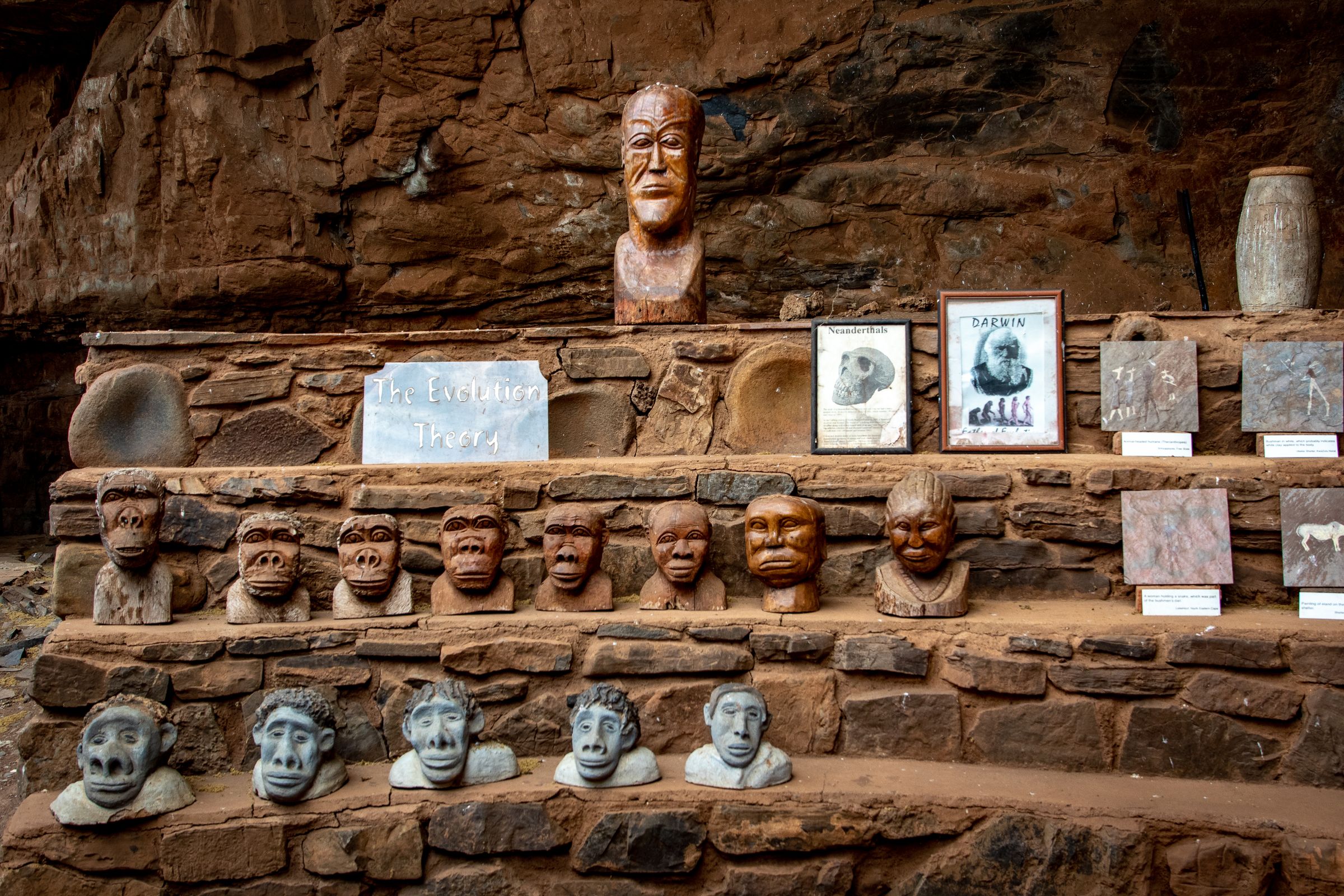
One hundred years since Herman Charles Bosman first set foot in Groot Marico, the small North West town is converting that anniversary into foot traffic. The annual Bosman Cultural Weekend Festival is under way at the Herman Charles Bosman Living Museum, and the centenary edition gives the town’s tourism and local enterprise calendar a marketing hook that heritage operators rarely get to use twice.
The programme runs on storytelling, dance and other performances. That mix of heritage and audience is the event’s economic engine: local performers get a stage, and the town gets a reason to welcome outside visitors each year.
Residents read the value in both cultural and practical terms. One described the scene warmly, saying it is lovely to see local theatre, local culture and local talent still being developed and celebrated. Another pointed to the social return on investment, arguing that it is important to get children off the streets and away from drugs and alcohol by involving them in cultural activities.
Meanwhile, the festival also works as a reminder of why the town’s heritage assets are worth maintaining. Keeping local history and traditions alive for future generations is presented as a central purpose of the gathering, and the Living Museum stands as the physical and institutional anchor of that effort.
The centenary has drawn academic attention as well, research that could extend the intellectual and cultural value attached to the Bosman name. Farzanah Loonate of North West University is conducting research on the writer, and her work points to a lesser known chapter of his career.
In later years, and shortly before Bosman passed on in 1951, he was writing a novel called Willemsdorp, Loonate explained. In that novel, she said, his critique of the racial laws passed in South Africa during that period is quite explicit. The laws she referred to specifically are the Immorality Act and the Group Areas Act. By mentioning instances in the novel where characters’ lives were affected as a result of these laws, Loonate argued, Bosman showed a bravery that stands out from her perspective.
That scholarly framing pairs celebration with substance. The town has used the centenary moment to link the festivities to serious engagement with Bosman’s literary legacy, adding depth to an event that could otherwise rest on nostalgia alone.
For Groot Marico, the festival is more than a weekend of performances. It is an annual demonstration that the town’s cultural capital, embodied in the museum and the Bosman association, can still attract an audience, sustain local talent and pass traditions to a younger generation. The residents’ comments reflect a community that understands the event’s value in those terms, from the development of local theatre to the pull of cultural activities for children who might otherwise drift toward drugs and alcohol.
As the centenary edition continues, the balance struck at the Herman Charles Bosman Living Museum between celebration, scholarship and community development offers a picture of a small town investing in its own heritage and expecting returns in cohesion, visibility and continuity. Whether that investment keeps paying out beyond the anniversary year is the open question for the town’s cultural operators. Further coverage of the festival is available through the reference report at https://www.sabcnews.com/sabcnews/groot-marico-community-members-celebrate-bosman-cultural-festival/, which documents the community’s celebrations at the museum.