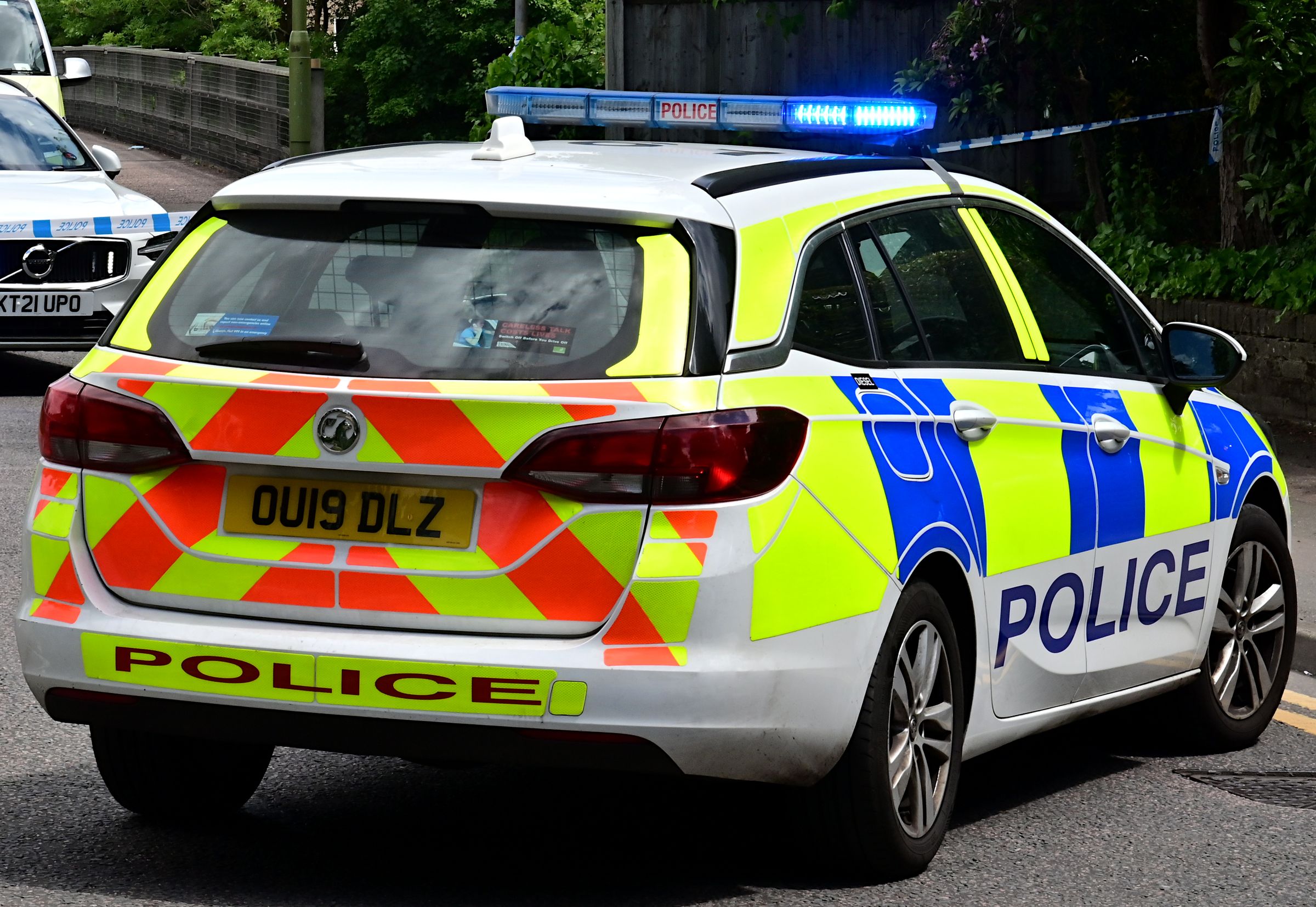
A failure of statutory duty sits at the centre of the case of Alexander Lewis-Ranwell, the diagnosed schizophrenic released from Devon and Cornwall Police custody in February 2019 hours before he killed three pensioners in Exeter. An inquest has concluded that mistakes made by police and healthcare professionals probably contributed to the deaths of Anthony Payne, 80, and twins Dick and Roger Carter, 84, raising pointed questions about how the Mental Health Act was applied, and by whom, in the days leading up to the killings.
The most significant finding concerns the law itself. Officers misunderstood their powers before releasing Lewis-Ranwell, not realising they had the authority to detain him for public safety under the Mental Health Act without a formal assessment. That legal misreading, revealed on Sunday as part of a joint investigation by The Sunday Times and BBC Radio 4, forms the backdrop to a chain of institutional decisions now under scrutiny.
The accountability question stretches back further than the fatal week. In 2016, a psychiatrist emailed the force urging officers not to drop their criminal investigation of Lewis-Ranwell, warning that he would learn he could get away with such behaviour. At the time, the cannabis user had stolen his father’s car and been arrested after a police pursuit. Having then been sectioned, he set fire to a bin in a hospital and took other patients hostage. Seven months later he received a caution but was not charged.
The events of February 2019 unfolded across multiple agencies. In the days before the attacks, Lewis-Ranwell was arrested twice: once for letting out a horse on a farm, and again for attacking an elderly farmer with a saw. He was released on both occasions. Hours before the first arrest, in the early hours of Feb 8, police had been called to the Castle Inn pub in Combe Martin, near Ilfracombe, where he was behaving aggressively while clutching a cordless drill. Officers checked his details, learned of his mental health problems and criminal offences, and let him go.
The custody record then failed repeatedly. At Barnstaple police station after the second arrest, Lewis-Ranwell admitted having been sectioned twice, but officers did not enter this into the detention log. That evening, his mother, Jill, called police twice to warn them of her fears about his psychosis. That warning, too, went unrecorded. Nick Armstrong KC, who represented the bereaved families at the inquest, said she was actively on the phone telling police what a psychotic descent looked like with her son, describing the symptoms.
The log failed again on Feb 9. Booked into Barnstaple police station after assaulting John Ellis, 82, with a large stick and a 4ft saw at his smallholding near Barnstaple, there was nothing in the record to show officers recognised him as the man released hours earlier. A mental health professional conducting a phone consultation noted potential psychotic symptoms and concluded he required a Mental Health Act assessment. Dr Mihail Pichiu, a police doctor employed by G4S, the outsourcing security firm, was called to check on him. An officer told the doctor that Lewis-Ranwell was saying he could see unicorns in his cell and smell gas, and clearly needed an assessment. Within 15 minutes, Dr Pichiu decided the assessment was not necessary. Lawyers for the family identified 17 mistakes made during the consultation.
Officers later questioned Lewis-Ranwell through the hatch in his cell, concerned for their own safety, as he lashed out and vented his delusions. One officer told the inquest he was one of the most mentally unwell individuals they could remember encountering in custody. Yet on the morning of Feb 10, having been held for nearly 24 hours, he was released at 9.45am. The Crown Prosecution Service did not believe there was enough evidence to charge him, even though he had apparently confessed to the burglary in a five-minute interview and left his shoes behind at the scene.
By 12.30pm that day he had entered Anthony Payne’s house in Exeter. Payne was found the next day, bludgeoned to death in his bed with a hammer. Three hours later, Lewis-Ranwell killed the Carter twins with a garden spade. He was caught in the early hours of Feb 11 after threatening staff at the Rougemont hotel in Exeter, at which point he was finally sectioned.
In December 2019, a two-week trial at Exeter Crown Court found him not guilty of the three murders by reason of insanity, and he was given a hospital restriction order. He remains at Broadmoor psychiatric hospital. Before delivering their verdict, jurors passed a note to the judge raising concerns about the state of psychiatric services in Devon and failings in care.
The inquest found shortcomings by police and by healthcare professionals employed by Devon county council, Devon Partnership Trust and G4S that probably contributed to the loss of life. Each organisation has responded. A police spokesman said areas of learning and change identified during the inquest and prior reviews are being, and have been, addressed, and that the force continues to make every possible effort to ensure the safety of any member of the public in custody, including during their detention and release. Devon Partnership NHS Trust said it would reflect on the jury’s conclusions and remains committed to continuous learning and embedding improvements in its systems and practice. G4S offered its condolences to the families affected.
What remains open is whether the oversight that followed, from the coroner to the jury’s note on psychiatric services in Devon, will translate into enforceable changes in how the Mental Health Act is applied at the custody desk.