Washington’s decision to remove South Africa and Rwanda from the African Growth and Opportunity Act takes effect on January 1, 2027, and the practical machinery of trade that thousands of exporters rely on now faces a hard deadline. The United States announced the exclusions on Monday, citing practices it said were inconsistent with the programme’s eligibility criteria, including barriers that undermine American trade and investment and practices that pose a threat to US national security and foreign policy interests in the region.
The mechanics of the removal are set by the programme itself. The US president reviews countries’ eligibility for AGOA annually, and any removal requires 60 days’ notice to Congress and the country concerned. That procedural timeline now frames the countdown for businesses that depend on duty-free access to the American market.
AGOA grants eligible sub-Saharan African countries preferential access to the US market and has been renewed until the end of 2028, though it is reviewed each year. South Africa is the programme’s largest beneficiary, but its eligibility has come under scrutiny as Washington steps up criticism of Pretoria, including false allegations of discrimination against white Afrikaners that South Africa rejects.
Trade Representative Jamieson Greer said in a statement that the concerning and pervasive practices include, but are not limited to, barriers that undermine American trade and investment and practices that pose a threat to US national security and foreign policy interests in the region.
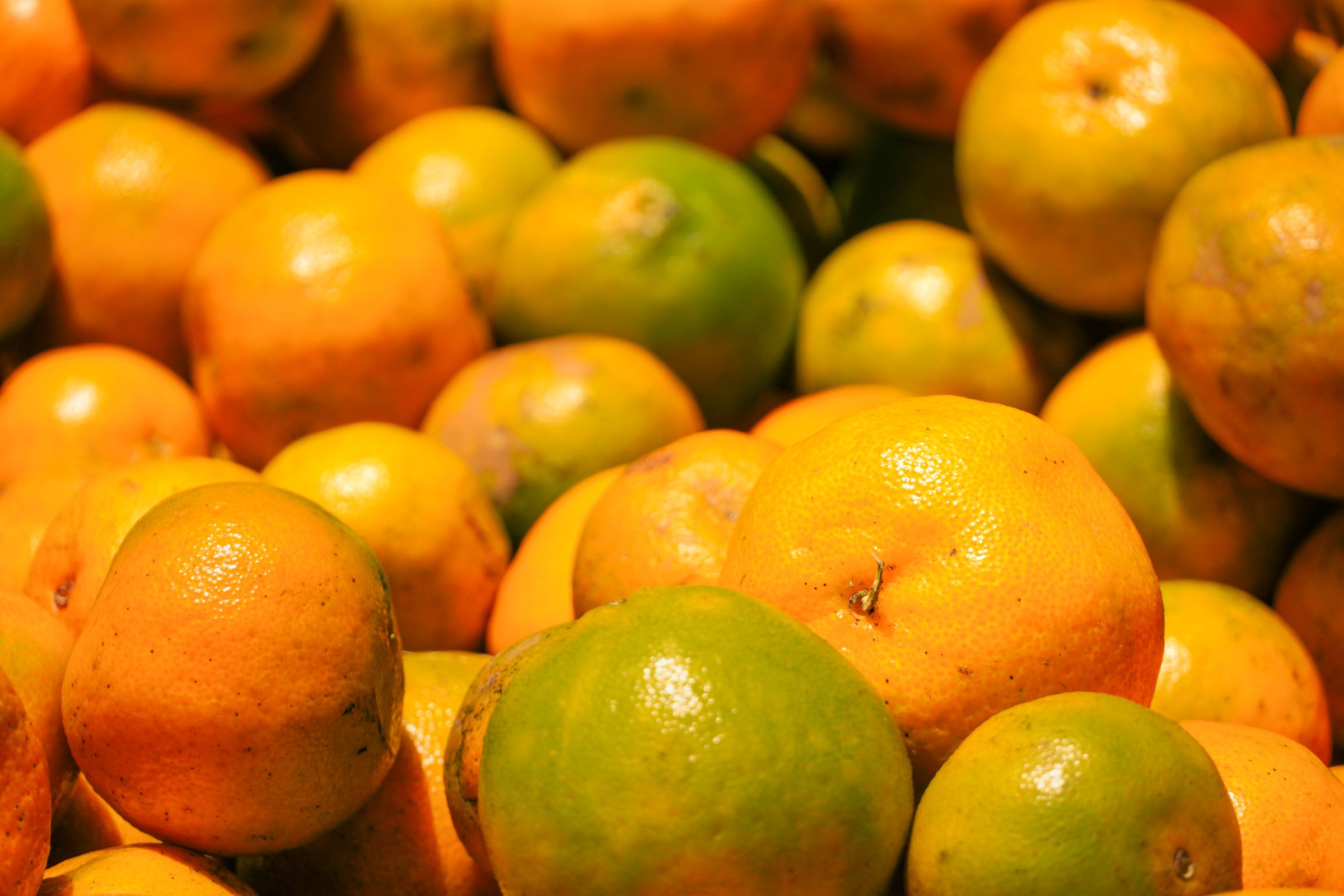
The operational consequences are already being mapped by the industries that move goods through the system. The Citrus Growers’ Association of Southern Africa called the exclusion a serious blow to the industry, warning that jobs and the economies of entire towns were at stake. South Africa is the world’s second-largest citrus exporter after Spain, and citrus is its largest agricultural export sector by value.
The logistics of redirecting that fruit are the central bottleneck. Growers cannot easily send shipments to alternative markets because importing countries have different phytosanitary requirements and consumer preferences, said Gerrit van der Merwe, the association’s chairman. The association said in a statement that the entire value chain, on both sides of the Atlantic, is now under threat.
Vehicles are another pillar of the delivery system under strain. The programme provides duty-free access to the US market for South African vehicles, the country’s second-largest export earner to the United States after precious metals, according to the South African Revenue Service.
Trade Minister Parks Tau acknowledged the potential fallout for workers and businesses. He said the government had retained measures introduced in response to US reciprocal tariffs and would support affected industries while stepping up efforts to diversify export markets. He described Washington’s move as unfortunate, saying it was raising issues that had not previously featured in negotiations despite additional concessions offered by Pretoria.
Meanwhile, the programme’s footprint in South Africa’s export flows has been shrinking. About 10 percent of South African exports to the US entered under the programme in 2025, down from 28 percent in the previous year, Tau said. AGOA remains important to South Africa, he said, but it does not constitute the totality of the economic relationship between South Africa and the United States.
The US ambassador to South Africa struck a different tone, saying it was regrettable that South African policies led to the termination of AGOA for the country. The ambassador called the outcome predictable and preventable, resulting from the rejection by South Africa’s government of real concerns raised by the US government, and said he remained hopeful that a path forward could be found to address larger bilateral concerns.
Rwanda’s removal sits within a broader pattern of economic pressure. Washington has been increasing pressure on Rwanda over its alleged backing of the armed M23 rebel group in neighbouring Democratic Republic of Congo. Last week, the United States sanctioned the Rwandan defense ministry over those ties, which the Rwandan government denies. With Rwandan help, the M23 movement has seized swathes of eastern DRC, home to valuable minerals coveted by world powers, since it took up arms again in 2021.
Rwandan Foreign Minister Olivier Nduhungirehe told AFP last week that his country should not be a scapegoat for events in DR Congo. The political and security situation in the DRC is mainly a Congolese issue, he said on the sidelines of a Russia-Africa summit in Moscow before the US sanctions were imposed, adding that Rwanda must not be held as a scapegoat for what is happening in Congo forever.
For exporters, the question now is whether the 60-day notice window closes with a resolution or with duty-free lanes shutting on schedule. Further coverage of the announcement and its implications for jobs, exports and businesses is available at https://www.africaninsider.com/business/what-the-us-agoa-boot-means-for-south-africas-jobs-exports-and-businesses/ as the January 1 deadline approaches.